
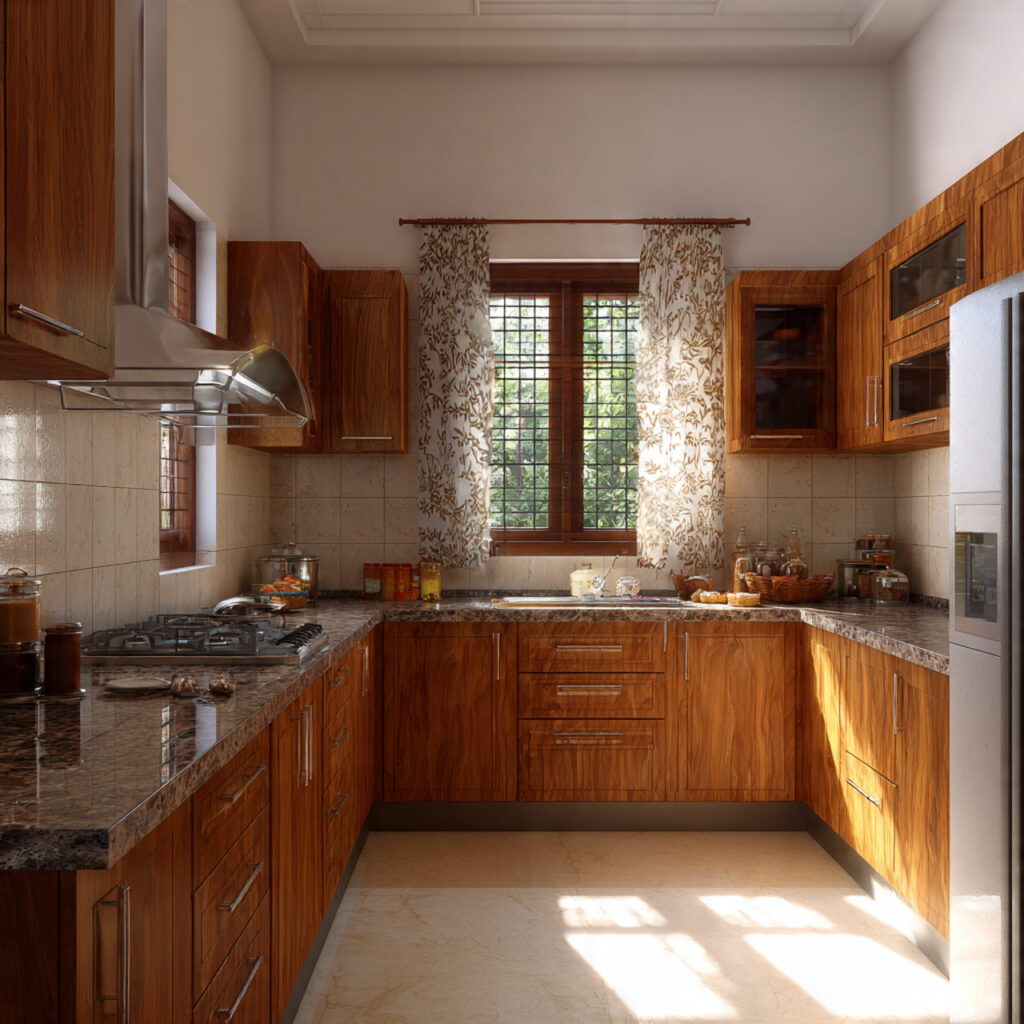
Latest Modular Kitchen Layouts for Delhi Homes (2026)
Indian homes are changing fast—and the kitchen is no longer just a functional corner hidden behind closed doors. In 2026, the kitchen has evolved into a lifestyle space where design, technology, and everyday living intersect. From compact city apartments to spacious villas, homeowners are demanding kitchens that look refined, work efficiently, and adapt to modern cooking habits.
Modular kitchen layouts are at the heart of this transformation. They offer flexibility, scalability, and precision planning—something traditional kitchens struggle to deliver. With smarter materials, ergonomic planning, and integrated storage systems, today’s kitchens are designed to match the pace of urban Indian life while still respecting cultural cooking needs.
This guide explores the latest modular kitchen layouts for Delhi homes in 2026, breaking down trends, layout types, benefits, limitations, and expert insights—so you can make informed design decisions that last for years.
Quick Overview
Before diving deep, here’s a snapshot of what this article covers:
-
How modular kitchens have evolved in Indian homes
-
Top kitchen layout trends shaping 2026
-
Popular layout types and where they work best
-
Step-by-step approach to choosing the right layout
-
Benefits, limitations, and suitability considerations
-
Comparison table of common kitchen layouts
-
Expert guidelines and best practices
-
Common mistakes homeowners should avoid
Whether you’re renovating or building new, this article is designed to be a complete reference for modern kitchen planning.
Understanding Modular Kitchen Layouts: A 2026 Perspective
What Is a Modular Kitchen Layout?
A modular kitchen layout refers to a structured arrangement of factory-made cabinet units, appliances, and work zones designed to fit a specific kitchen space. Unlike carpenter-made kitchens, modular systems are pre-engineered for precision, durability, and efficient use of space.
Why Modular Kitchens Dominate Indian Homes
Several factors explain their growing popularity:
-
Rising apartment living and compact floor plans
-
Need for faster installation and predictable costs
-
Demand for cleaner aesthetics and easy maintenance
-
Increased awareness of ergonomics and workflow
By 2026, modular kitchens are no longer a luxury—they’re a practical standard for urban Indian households.
Key Trends Shaping Modular Kitchen Layouts in 2026
1. Function-First Design Philosophy
Design in 2026 prioritizes workflow efficiency over decoration. Layouts are planned around cooking frequency, number of users, and appliance placement rather than just visual symmetry.
2. Hybrid Open and Semi-Open Kitchens
Instead of fully open kitchens, many Indian homes now opt for partial partitions, sliding glass doors, or breakfast counters that balance privacy with openness.
3. Technology-Integrated Layouts
Layouts are now planned to accommodate:
-
Built-in ovens and microwaves
-
Smart chimneys and induction systems
-
Concealed charging points and LED task lighting
4. Customization Over Standardization
Homeowners want layouts tailored to cooking habits—especially for Indian cuisine that involves heavy utensils, spices, and multitasking.
This shift has strongly influenced latest modular kitchen designs in Delhi, where urban homeowners demand compact yet highly customized solutions for apartments and builder floors.
Popular Modular Kitchen Layout Types for Indian Homes
Straight-Line (One-Wall) Kitchen Layout
Best for: Studio apartments and compact homes
Key Advantage: Minimal space usage
All cabinets and appliances are placed along a single wall, making this layout ideal for small households or secondary kitchens.
Limitations:
-
Limited counter space
-
Not ideal for heavy daily cooking
Parallel (Galley) Kitchen Layout
Best for: Narrow but long kitchens
Key Advantage: High efficiency
Two parallel counters create distinct cooking and cleaning zones, making this one of the most practical layouts for Indian cooking.
L-Shaped Kitchen Layout
Best for: Small to medium-sized kitchens
Key Advantage: Efficient corner utilization
The L shaped modular kitchen design India remains a favorite because it offers flexibility, allows space for dining counters, and supports smooth movement between work zones.
U-Shaped Kitchen Layout
Best for: Large kitchens and villas
Key Advantage: Maximum storage and workspace
With counters on three sides, this layout is ideal for joint families or frequent cooking.
Island Kitchen Layout
Best for: Premium apartments and open-plan homes
Key Advantage: Multi-functional workspace
The island can serve as a prep counter, breakfast table, or social hub—but only works well when space is abundant.
Step-by-Step: How to Choose the Right Modular Kitchen Layout
Step 1: Measure the Kitchen Space Accurately
Precise measurements help avoid layout mismatches and appliance conflicts later.
Step 2: Understand Cooking Habits
Ask practical questions:
-
How many people cook regularly?
-
Is Indian cooking daily or occasional?
-
Are appliances used frequently?
Step 3: Identify Workflow Zones
Efficient layouts follow the classic work triangle:
-
Cooking
-
Cleaning
-
Storage
Step 4: Plan Storage Early
Storage planning should be layout-driven, not an afterthought. This is where smart modular kitchen storage solutions significantly improve usability.
Step 5: Factor in Ventilation and Lighting
Layouts must align with window placement, chimney ducts, and natural light sources.
Benefits of Modular Kitchen Layouts
-
Faster installation compared to traditional carpentry
-
Predictable costs and minimal on-site disruption
-
Better hygiene and ease of cleaning
-
Custom layouts suited to Indian cooking styles
-
Long-term durability with warranty-backed materials
By 2026, these advantages make modular kitchens a logical investment rather than an aesthetic upgrade.
Suitability: Who Should Opt for Modular Kitchens?
Modular kitchen layouts are ideal for:
-
Urban apartments and builder floors
-
Renovation projects with time constraints
-
Homeowners seeking organized storage
-
Families wanting standardized quality
They are especially popular in metropolitan areas, with latest modular kitchen designs in Delhi reflecting strong demand for compact, high-efficiency layouts.
Limitations and Practical Constraints
While modular kitchens offer many advantages, they also have limitations:
-
Higher upfront cost compared to local carpentry
-
Limited flexibility after installation
-
Requires accurate planning upfront
-
Repairs may need brand-specific parts
Understanding these constraints helps set realistic expectations.
Comparison Table: Modular Kitchen Layouts at a Glance
| Layout Type | Space Requirement | Storage Capacity | Best For | Key Limitation |
|---|---|---|---|---|
| Straight-Line | Very Small | Low | Studio apartments | Limited workspace |
| Parallel | Small–Medium | High | Narrow kitchens | Requires minimum width |
| L-Shaped | Medium | Medium–High | Apartments | Corner planning needed |
| U-Shaped | Large | Very High | Villas | Can feel enclosed |
| Island | Very Large | Medium | Open-plan homes | Needs ample clearance |
Best Practices for Modular Kitchen Layout Planning
Prioritize Ergonomics
-
Keep counter height comfortable
-
Avoid excessive bending or overhead reach
Design for Indian Cooking Needs
Heavy utensils, spices, and pressure cookers need stronger hardware and deeper drawers—key to a modern kitchen design for Indian homes.
Balance Aesthetics and Function
High-gloss finishes look great but may not suit heavy usage. Choose materials wisely.
Think Long-Term
Plan layouts that can adapt to future appliances or lifestyle changes.
Common Mistakes to Avoid
-
Choosing layout based only on looks
-
Ignoring ventilation planning
-
Underestimating storage needs
-
Overcrowding small kitchens with islands
-
Skipping professional layout consultation
Many homeowners regret not planning for space saving kitchen layouts, especially in compact apartments.
The Rise of Open and Semi-Open Kitchens
Indian homeowners are increasingly exploring open concept kitchen design India, especially in new apartments. While visually appealing, these layouts require:
-
Strong chimneys
-
Noise management
-
Organized storage
Semi-open designs often offer a more practical compromise.
Expert Tips for 2026 Kitchen Planning
-
Opt for soft-close hardware for durability
-
Use vertical space efficiently
-
Choose neutral base colors with accent highlights
-
Plan electrical points early
-
Ensure easy access to frequently used zones
When executed well, these strategies significantly improve daily usability.
FAQs: Modular Kitchen Layouts for Indian Homes
1. Which modular kitchen layout is best for small Indian apartments?
For small apartments, straight-line or L-shaped layouts work best. They maximize usable space without overcrowding. Efficient zoning and vertical storage help accommodate Indian cooking needs while keeping the kitchen visually open and easy to maintain.
2. Are modular kitchens suitable for heavy Indian cooking?
Yes, modular kitchens are well-suited for Indian cooking when designed correctly. Choosing durable materials, strong hardware, deep drawers, and proper ventilation ensures the kitchen handles frequent cooking, heavy utensils, and spices comfortably.
3. How long does it take to install a modular kitchen?
Most modular kitchens are installed within 2–4 weeks, depending on customization and site readiness. Factory-made components reduce on-site work, ensuring faster and cleaner installation compared to traditional carpentry.
4. What is the ideal kitchen layout for joint families?
U-shaped or parallel kitchens work best for joint families as they offer more counter space and storage. These layouts allow multiple users to cook simultaneously without interfering with each other’s workflow.
5. Can modular kitchen layouts be customized?
Yes, customization is a major advantage. Layouts, cabinet sizes, finishes, and accessories can be tailored to suit space constraints, cooking habits, and personal preferences, provided planning is done accurately at the start.
6. Are open kitchens practical in Indian homes?
Open kitchens can work well with proper ventilation and layout planning. However, semi-open designs are often more practical, as they balance openness with containment of cooking odors and noise.
7. What factors influence modular kitchen layout costs?
Costs depend on layout complexity, material quality, hardware brands, appliance integration, and customization level. Larger layouts with premium finishes naturally cost more than compact, standard designs.
8. How important is storage planning in modular kitchens?
Storage planning is critical. Without adequate and accessible storage, even large kitchens feel cluttered. Smart drawer systems, corner units, and vertical cabinets significantly improve daily usability.
9. Can modular kitchens be renovated later?
Minor upgrades like changing shutters or accessories are possible, but major layout changes are difficult once installed. This is why thorough planning before execution is essential.
10. Do modular kitchens add value to a home?
Yes, well-designed modular kitchens enhance property value and appeal. Buyers often view them as a premium feature due to their durability, aesthetics, and functional efficiency.
Conclusion
Modular kitchen layouts in 2026 reflect a deeper understanding of how Indian families cook, live, and interact at home. From compact apartments to expansive villas, the right layout can dramatically improve efficiency, comfort, and visual appeal.
By focusing on function-first planning, smart storage, and realistic space assessment, homeowners can create kitchens that remain relevant for years. Whether you prefer a simple layout or a bold, open design, success lies in aligning layout choices with daily habits—not just trends.
If you’re planning a new kitchen or renovation, take time to evaluate your space, consult experts, and invest in a layout that truly works for your lifestyle. A well-planned modular kitchen isn’t just a design upgrade—it’s a long-term quality-of-life improvement.